Stopped Thinking, No Future for Humans
📖Author: Nao
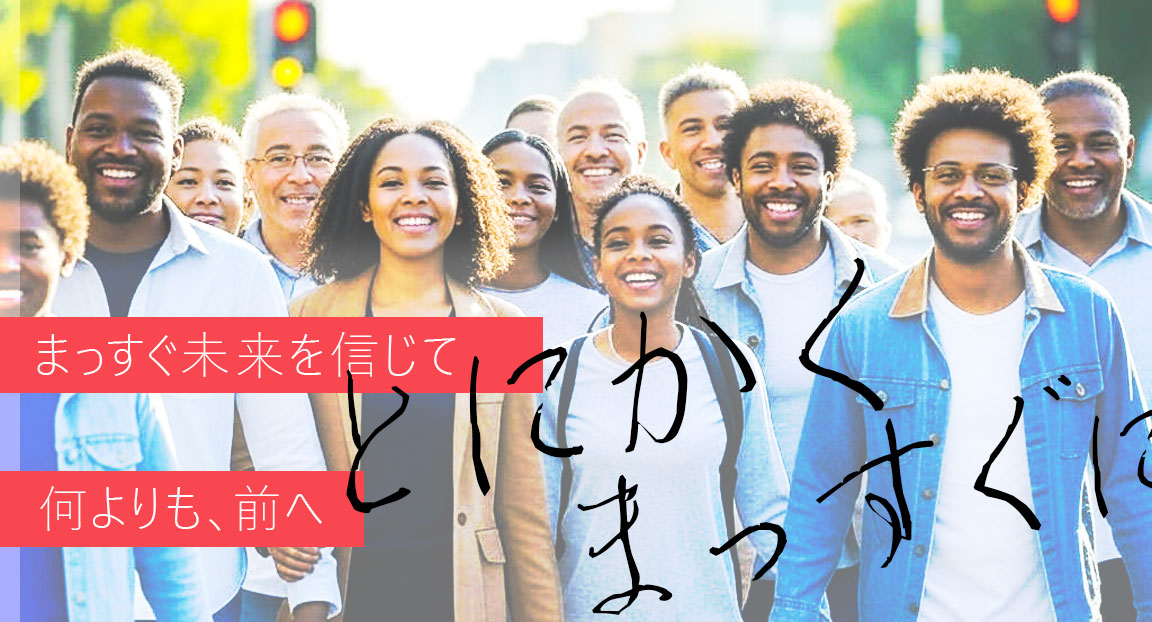
Crossing a red light alone is frightening.
But crossing together isn’t frightening at all.
Hearing that, how many things have we chosen without thinking?
Looking at the eye-catching image displayed earlier, what did you think?
Did it seem fun?
Did it feel reassuring?
Then, let me ask you just one thing.
‘Did you even notice that the signal was “red”?’
If I’m a fool, then why don’t I think? That’s talent.
Information changes with the times.
Knowledge applies a filter.
The more information people have, the more they hesitate.
But if you consider yourself foolish, you are sufficiently wise.
Why? Because it allows you to expand your knowledge.
Humans are creatures who look to the future.
Not discarding any possibility shapes the future of humanity.
In other words, this proves that the future lies in flexible thinking.
How would you answer this question?
Those who write blogs regularly tend to have more organised thoughts.
And the more organised your thoughts become, the better your memory gets.
Why do you think that is?
First, before reading on, take just one minute to think about it and try to express it in your own words.
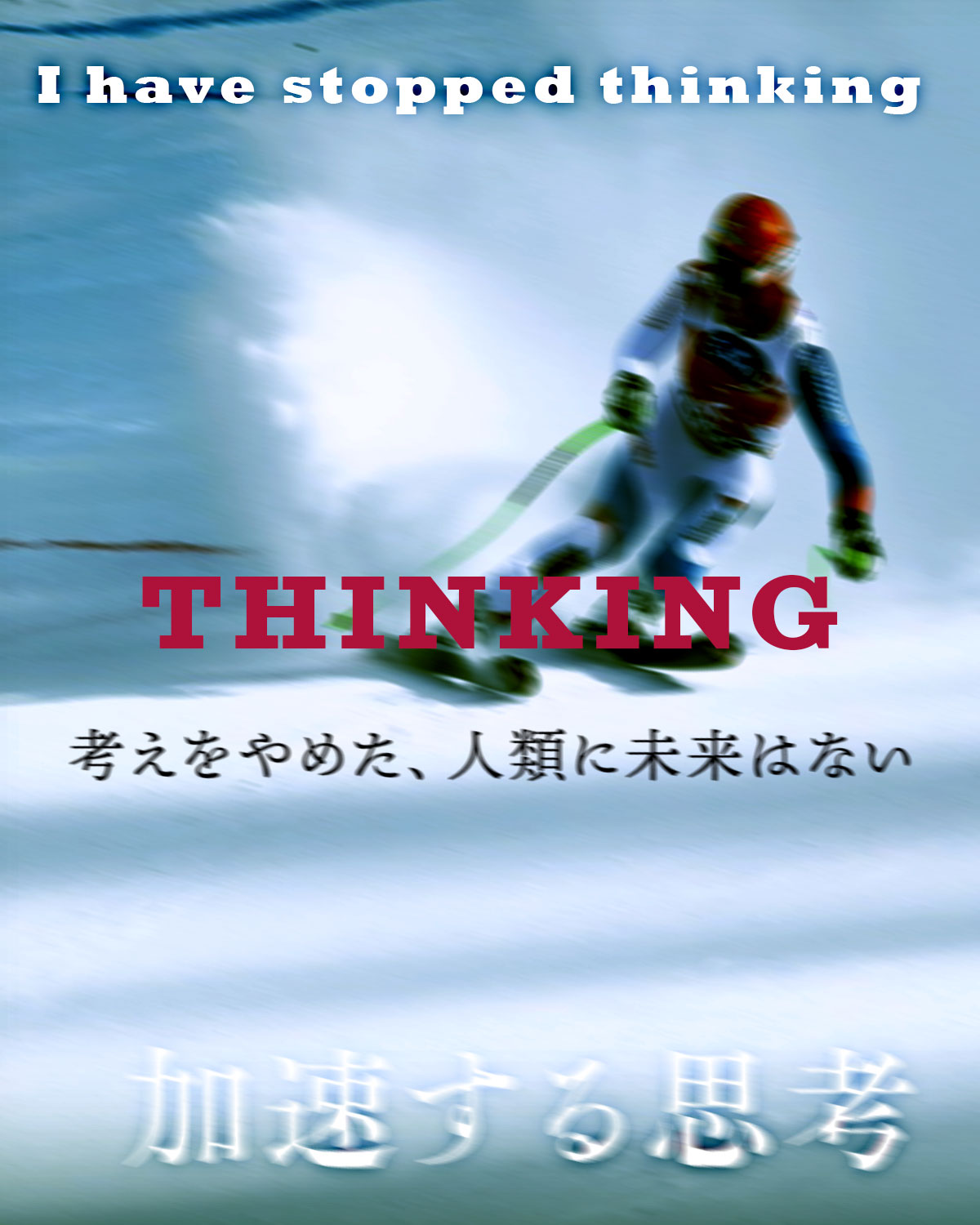
As a hint, I’ve included an image in the next section.
💡Hint
You might use this image as a prompt, or come up with your own solution – either way is interesting.
Whether right or wrong, your own words become knowledge
It’s not about what’s correct; the question is what you were able to think.
There’s no need for a correct answer to the response you just formulated in your own words.
What matters is thinking through your own reasoning and formulating a hypothesis.
History changes, and people’s answers aren’t always correct based on their judgement at the time.
So, what do you think?
As you read this article now, you should know.
You began reading it because you sensed the danger of thought cessation.
People think even when they don’t think
Did you know?
It is said that we repeat tens of thousands of thoughts every day.
And we do so unconsciously.
So why do we reach a state called thought cessation?
Let’s reverse the perspective.
Perhaps it’s not a lack of thought, but rather that our minds become so saturated with thought that we cannot think?
In other words, an immense, countless amount of information is racing through our brains. So why is there such a need to think?
Imagine this.
Your thoughts become organised when you verbalise them
You can’t think of anything.
You can’t come up with ideas.
No, it’s not that you can’t think of ideas.
It’s because your thoughts are scattered, the connections between pieces of information are weak, and you can’t draw them out.
To do that, you need to organise this information.
Our brains are instinctively structured to feel more secure with “organised things” than with raw thoughts.
What does that mean?
Essentially, when outputting thoughts,
you can’t simply jot down unorganised information in a haphazard manner.
So, let me ask you this:
Why does teaching others enhance memory retention?
The answer might not come immediately.
But as you read on,
you’ll be getting closer to it.
Questions arise from daily life – use Markdown
If you’re wondering what Markdown is, look it up.
Markdown is usable in daily life.
- Simple structuring (i.e., low cognitive load)
- Allows you to see the flow of your thoughts while writing
- Retains logical structure even when revisited later
What do you think?
This text is composed in Markdown.
To help you organise your thoughts,
it should be designed simply, free from unnecessary distractions.
Markdown is the perfect tool
to answer the question I posed earlier.
Finally
Throughout this process, you’ve likely looked up anything unclear
and summarised it in your own words.
Each step will deepen your understanding.
And finally, one more question: why did you read this article?